
Overview
Transferable Development Rights (TDRs) are a land use planning tool that allows development potential to be transferred from one property to another. Rather than requiring all land to be developed to its maximum potential, TDR programs provide communities with a market-based mechanism for directing growth to locations that are better suited for development while preserving lands that have important agricultural, environmental, scenic, historic, or public value.
Communities across the United States have used TDR programs for decades to preserve farmland, open space, environmentally sensitive lands, historic resources, and other valuable community assets. According to guidance published by the American Planning Association, TDR programs have helped preserve more than 400,000 acres of land in over thirty-three (33) states.
Utah authorizes municipalities and counties to establish TDR programs. Under §10-20-102 (municipalities) and §17-79-102 (counties) of Utah State Code, a transferable development right is defined as “a right to develop and use land that originates by an ordinance that authorizes a property owner in a designated sending zone to transfer land use rights from a designated sending zone to a designated receiving zone.”
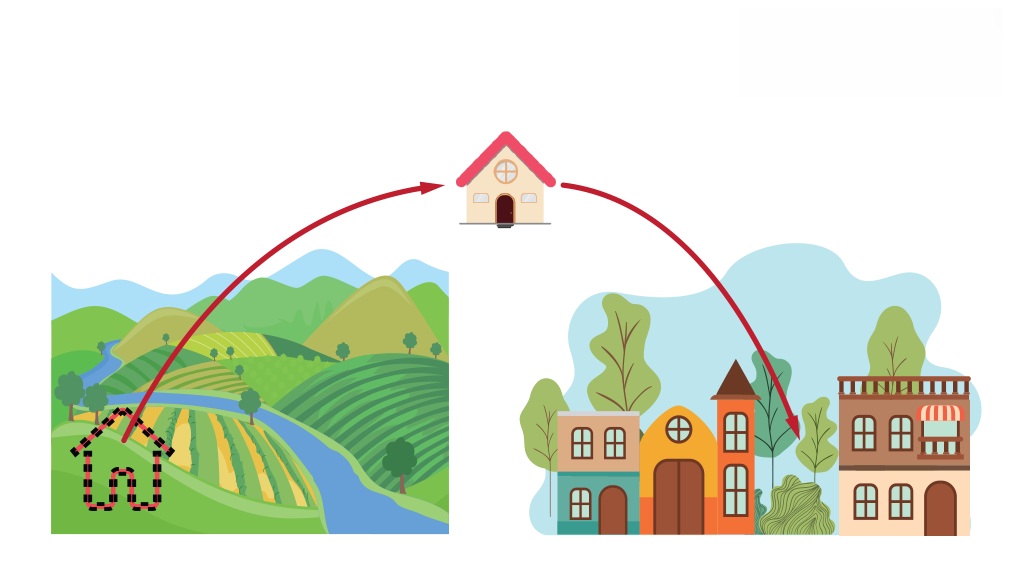
Simply put, a TDR program allows development rights to be separated from one property (the sending area) and transferred to another property (the receiving area). The sending area generally consists of lands the community wishes to preserve, such as productive agricultural land, wildlife habitat, open space, scenic corridors, or areas with environmental constraints. The receiving area is typically located where the community desires future growth because infrastructure, public services, and transportation systems are already available or planned.
The property owner in the sending area voluntarily sells or transfers some or all of their unused development rights to a property owner or developer in the receiving area. In exchange, the sending property is permanently protected through a conservation easement, deed restriction, or other legally enforceable mechanism that limits future development. The receiving property, meanwhile, may be permitted additional density, building intensity, or other development opportunities beyond what would otherwise be allowed under the zoning ordinance.
Unlike traditional land acquisition or conservation programs, TDRs rely on private market transactions rather than public funding to achieve preservation goals. When properly structured, they can compensate property owners for restricting future development while allowing communities to guide growth toward areas that can more efficiently support it.
Ultimately, TDRs provide local governments with a flexible planning tool that balances two important objectives: protecting the lands that make a community unique while accommodating future growth in locations where development is both appropriate and sustainable.
Content Contributors: Jones and DeMille Engineering, Inc, Hansen Planning Group, LLC / Rural Community Consultants
Special Note: This material was developed by civiclinQ for the Land Use Academy of Utah (LUAU). Funding for the development of this material was provided by through the Land Use Training Fund, which is administered by the Office of the Property Rights Ombudsman , utilizing a portion of the 1% surcharge on all building permits in the State of Utah.
The role of this organization in administering funding is primarily administrative and should not be viewed as legal advice. Always consult your legal representative when addressing land use activities.
Use the ‘Materials’ tab above to view related course materials, including printable pass-along card and PDF version of this online course.

